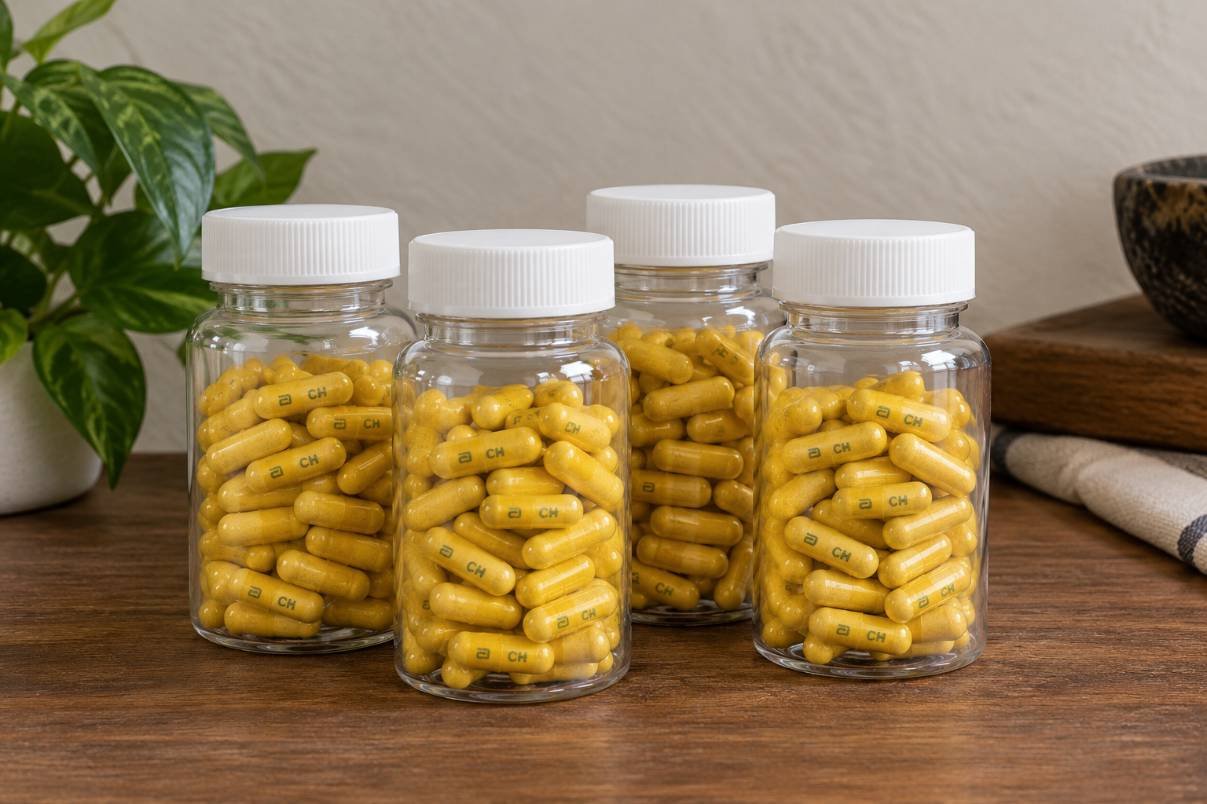
Description
Pentobarbital Sodium Capsules
When researching older medications, it is easy to come across drug names that are still discussed online even though their availability and medical uses have changed over the years. Pentobarbital sodium is one example. It is a powerful barbiturate with a long history in medicine, but it also carries serious risks that make careful handling and professional oversight essential.
Pentobarbital sodium capsules were historically used for their sedative and sleep-inducing effects. Today, however, barbiturates have a much more limited role in many areas of medicine because safer alternatives are available for a number of conditions.
So, what exactly are pentobarbital sodium capsules, what were they used for, and what should people know about their safety? This guide explores these questions in straightforward language.
What Is Pentobarbital Sodium?
Pentobarbital sodium is a medication belonging to a group of drugs called barbiturates. These medicines work by slowing activity in the central nervous system, which includes the brain and spinal cord.
Depending on the circumstances, pentobarbital can cause sedation and substantial depression of nervous system activity. Historically, these effects made it useful in certain medical settings, although its potential for serious harm has restricted its role in modern treatment.
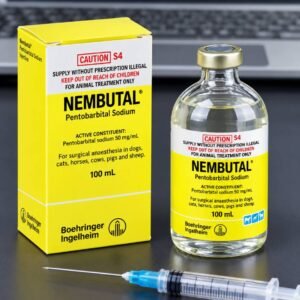
Nembutal is a brand name associated with pentobarbital sodium. Older Nembutal products were available as oral capsules, but it is important to distinguish historical products from medicines that are currently authorized and marketed.
For example, Health Canada’s drug database records a historical Nembutal Sodium capsule product that was cancelled after being marketed in 1997. This is a useful reminder that finding a medication in an older reference does not mean it is still available today.
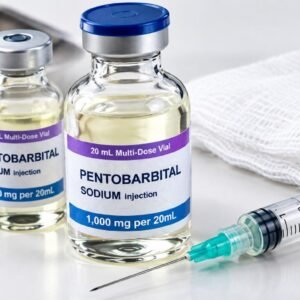
Pentobarbital sodium capsules should also be distinguished from injectable formulations. Even when products contain the same active drug, their dosage forms, intended uses, and instructions may differ.
What Were Pentobarbital Sodium Capsules Used For?
Pentobarbital sodium capsules were historically used for their sedative and hypnotic effects. In simple terms, they could slow nervous system activity and promote sleep or sedation in certain medical circumstances.
Their historical applications included the following.
1. Sedation
Sedation involves reducing alertness and calming activity in the central nervous system. Pentobarbital was used for this purpose in selected medical situations.
However, sedation is not a simple matter of making someone sleepy. The effects of a potent barbiturate can become dangerous, particularly when breathing and other essential body functions are affected. For this reason, historical use should not be taken as a recommendation for routine or unsupervised use today.
2. Short-term sleep-related treatment
Barbiturates were once used more widely to treat sleep difficulties. Pentobarbital’s ability to depress central nervous system activity explains why it was used as a sleep-inducing medication.
Over time, concerns about dependence, overdose, and interactions with other substances contributed to a decline in the use of barbiturates for ordinary sleep problems.
Anyone struggling with persistent insomnia should speak with a qualified healthcare professional. The appropriate treatment depends on the underlying cause, the person’s health, and the benefits and risks of available options.
3. Specialized medical applications
Pentobarbital has also been used in certain specialized clinical settings where substantial suppression of brain activity is required. These applications are different from the historical use of oral capsules and may involve other formulations under close medical supervision.
Veterinary products containing pentobarbital are another separate category. A product intended for veterinary use should never be assumed suitable for humans.
How Does Pentobarbital Sodium Work?
To understand both the medical effects and the risks of pentobarbital, it helps to look briefly at how it works.
The drug enhances the effects of gamma-aminobutyric acid, commonly known as GABA. GABA is a neurotransmitter that helps reduce excessive activity in the brain.
By strengthening this inhibitory effect, pentobarbital slows activity in the central nervous system. Depending on the degree of exposure, the result can range from sedation to profound suppression of essential functions.
This is also why the drug can be dangerous. Excessive exposure may interfere with breathing, reduce consciousness, and lead to coma or death.
Pentobarbital should therefore never be taken based on online recommendations or used without appropriate medical authorization and supervision.
What Are the Main Safety Risks?
The most important thing to understand about pentobarbital sodium is that it is a potent medication with potentially life-threatening effects. Its risks deserve as much attention as its historical medical applications.
Risk of overdose
Pentobarbital overdose can cause severe drowsiness, confusion, impaired coordination, reduced consciousness, and dangerously slow or ineffective breathing. In serious cases, it can lead to coma or death.
If an overdose is suspected, seek emergency medical help immediately. Do not wait for symptoms to become more severe or attempt to manage the situation using advice found online.
Dependence and withdrawal
Repeated use of barbiturates can lead to physical dependence. Over time, a person may also develop tolerance, meaning that the body responds differently to the drug.
Dependence can make stopping the medication difficult. Withdrawal after prolonged use may be dangerous and can require medical care. Anyone who has been using a barbiturate regularly under medical supervision should consult their healthcare professional before changing or stopping treatment.
Dangerous interactions with other substances
Pentobarbital can interact with other substances that slow the central nervous system. These include alcohol, opioids, sleeping medications, and certain sedatives.
Combining such substances can intensify their effects and increase the risk of respiratory depression, unconsciousness, and fatal overdose.
Patients should tell their healthcare professional about all medications, supplements, and other substances they use.
Other possible side effects
Depending on the circumstances, adverse effects may include:
- Drowsiness and dizziness.
- Confusion or impaired judgment.
- Poor coordination and an increased risk of falls.
- Reduced alertness and difficulty concentrating.
- Serious breathing problems following excessive exposure.
The effects can vary from person to person. The absence of immediate symptoms does not always mean that an exposure is harmless.
Who Needs Particular Caution?
Not everyone has the same level of risk when exposed to a potent barbiturate. A person’s general health, other medications, and medical history can all affect the potential for complications.
Particular caution is necessary for people with breathing problems, significant liver or kidney conditions, or a history of substance dependence. Pregnancy and the use of other sedating medications also require careful professional assessment.
These factors are reasons to seek appropriate medical advice, not a substitute for an individual assessment. Only a qualified healthcare professional can determine whether a particular medication is appropriate in a given situation.
Is Pentobarbital Sodium Legal?
The legal status of pentobarbital depends on the country and the circumstances in which it is possessed, supplied, or used.
In the United States, pentobarbital is classified as a Schedule II controlled substance. This classification reflects its recognized medical use under restrictions and its high potential for abuse and dependence.
Other countries apply their own rules. Requirements may cover prescribing, possession, supply, importation, storage, and recordkeeping.
It is also important to distinguish between a drug’s legal classification and the availability of a particular product. A medication may have a recognized medical history without a specific capsule formulation currently being marketed or authorized.
Anyone researching a product should consult the relevant medicines regulator and official documentation rather than relying solely on online listings.
Storage and Responsible Handling
Because pentobarbital can cause severe poisoning, access and storage are important safety considerations.
Where the medication is legally held by an authorized person or professional, it should be secured according to the applicable regulations and official product instructions. Children, pets, and unauthorized individuals should not be able to access it.
Unused or expired products should be managed through appropriate pharmaceutical disposal procedures. They should never be left where another person or animal could accidentally encounter them.
If accidental exposure occurs or poisoning is suspected, seek emergency medical assistance promptly and provide responders with any available product information.
How to Find Reliable Information About Pentobarbital Capsules
Searching for pentobarbital sodium capsules online can be confusing because different sources may refer to historical products, injectable medications, or veterinary formulations.
A reliable source should clearly identify the active ingredient, dosage form, intended use, manufacturer, and regulatory status. It should also distinguish established medical facts from claims that have not been verified.
Official medicines databases, government regulatory agencies, and recognized medical references are generally better starting points than anonymous advertisements or unverified product descriptions.
Appearance alone is not enough to identify a medication. A capsule’s color, shape, or packaging cannot confirm its ingredients, strength, authenticity, or safety.
Frequently Asked Questions
Are pentobarbital sodium capsules still available?
Availability depends on the country and the specific formulation. Historical capsule products appear in medical and regulatory records, but some have been discontinued. An old listing does not confirm that the same product is currently available or authorized.
Is Nembutal the same as pentobarbital sodium?
Nembutal is a brand name associated with pentobarbital sodium. However, it is important to check the specific product because formulations, dosage forms, and regulatory status can vary.
Are pentobarbital capsules and injections interchangeable?
No. Capsules and injections are different dosage forms intended for different routes of administration. They should not be substituted for one another.
Is pentobarbital safe for treating insomnia without medical supervision?
No. Its potential for dependence, dangerous interactions, respiratory depression, and overdose makes unsupervised use unsafe. People experiencing persistent sleep difficulties should discuss appropriate treatment options with a healthcare professional.
What should I do if pentobarbital poisoning is suspected?
Seek emergency medical assistance immediately. Do not induce vomiting or attempt home treatment unless instructed by a qualified medical professional. If possible, provide emergency responders with the product packaging or any available information about the exposure.
Can veterinary pentobarbital products be used by humans?
Veterinary products should not be assumed safe or appropriate for human use. Their formulation, intended use, and regulatory requirements may differ. Questions about human treatment should be directed to a qualified healthcare professional.
Reviews
There are no reviews yet.