Description
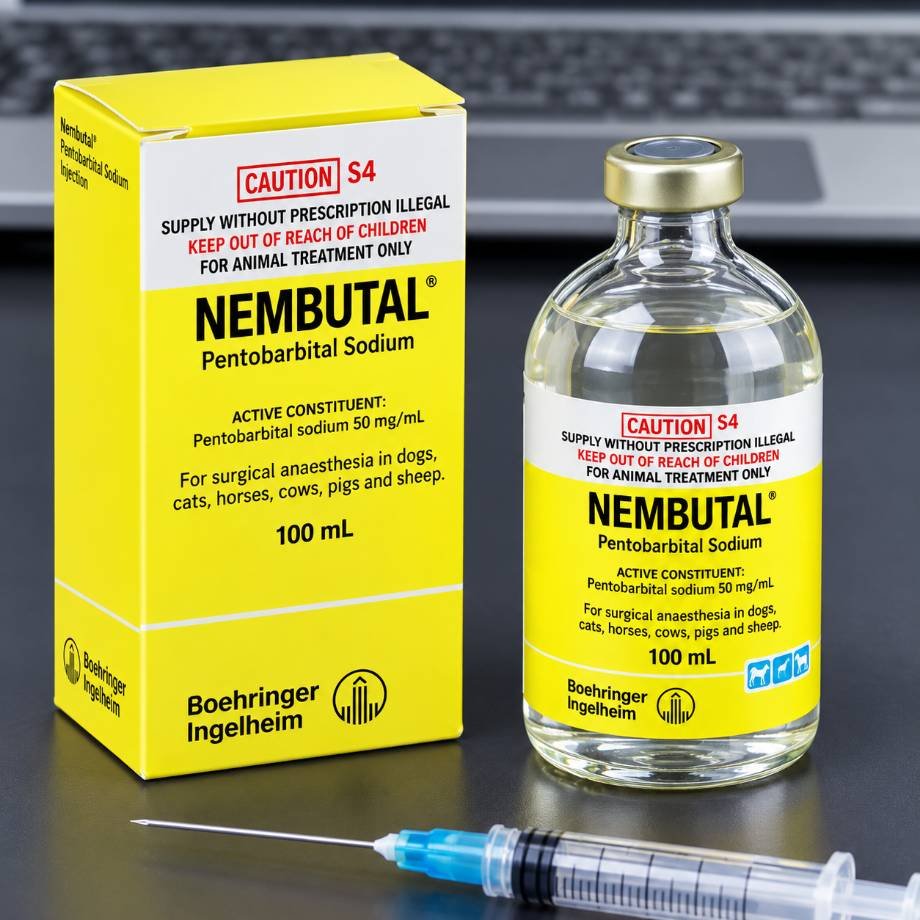
Veterinary Pentobarbital Sodium
Veterinary medicine involves difficult decisions, and few are more sensitive than end-of-life care for animals. When an animal is suffering from a serious, untreatable condition, veterinarians may need to consider humane euthanasia. One substance associated with this procedure is veterinary pentobarbital sodium.
Although the name may sound technical, understanding this medication is important for pet owners, veterinary professionals, and anyone researching animal healthcare. Its use requires professional judgment, careful handling, and compliance with applicable laws.
In this article, we explain what veterinary pentobarbital sodium is, why it is used, the precautions associated with it, and the key facts people should understand before researching this substance.
What Is Veterinary Pentobarbital Sodium?
Veterinary pentobarbital sodium is a barbiturate drug that affects the central nervous system. Barbiturates slow activity in the brain and nervous system, and their effects depend on the substance, formulation, and circumstances of use.
In veterinary medicine, pentobarbital is best known for its role in certain euthanasia products. These products are intended to help qualified veterinary professionals bring an animal’s life to an end humanely when euthanasia is considered necessary.
It is important to distinguish veterinary formulations from products intended for other purposes. A medication’s intended use, approved labeling, and legal status can vary between countries and products. A substance should never be assumed suitable for an animal simply because its name appears in veterinary or scientific literature.
What Is Veterinary Pentobarbital Sodium Used For?
The principal veterinary use of pentobarbital in euthanasia formulations is to end an animal’s life when a veterinarian determines that this is the most appropriate option.
Euthanasia may be considered in circumstances such as:
-
Severe, untreatable illness: When a condition causes substantial suffering and reasonable treatment options are no longer effective.
-
Serious injuries: When an animal has injuries that cannot be treated successfully and recovery is not realistically possible.
-
Poor quality of life: When pain, distress, or loss of essential functions cannot be adequately managed.
-
End-of-life veterinary care: When a veterinarian and the animal’s caregiver determine that euthanasia is the most compassionate available choice.
These decisions should never be based on medication availability alone. A veterinary professional must assess the animal’s condition, consider appropriate alternatives, and follow the applicable professional and legal requirements.
Pentobarbital also has a history of use in other medical contexts. However, its use in veterinary euthanasia should not be confused with routine treatment for common animal illnesses.
How Does Pentobarbital Sodium Work?
Pentobarbital acts on the central nervous system, where it enhances the effects of gamma-aminobutyric acid (GABA), an important inhibitory neurotransmitter. GABA helps regulate nerve activity and contributes to the brain’s ability to reduce excessive stimulation.
By suppressing activity in the central nervous system, pentobarbital can cause profound depression of brain function. In euthanasia formulations, this action ultimately results in the loss of vital functions.
The effects can be serious and potentially fatal. Pentobarbital is not a substance that should be handled or administered casually, and its use requires appropriate professional training and safeguards.
Understanding its mechanism helps explain why strict controls are necessary. A drug capable of profoundly suppressing the central nervous system can cause severe harm if used incorrectly or accessed by someone without proper authorization.
Why Is Professional Supervision Important?
Pentobarbital is a potent drug, and inappropriate exposure can have life-threatening consequences. Veterinary products containing it must be handled according to their approved labeling and the regulations that apply in the relevant jurisdiction.
Professional supervision is important for several reasons.
First, animal welfare must remain the priority. Decisions about euthanasia require a proper assessment of suffering, prognosis, and available alternatives. A qualified veterinarian can help ensure that the decision is medically and ethically justified.
Second, incorrect use can cause serious harm. Pentobarbital affects essential nervous system functions. Accidental exposure or misuse can endanger animals and people.
Third, the product must be handled responsibly. Storage, access, transportation, recordkeeping, and disposal may be subject to specific requirements. Veterinary facilities must follow the applicable rules rather than relying on general advice from online sources.
For these reasons, information found on a website should never replace professional veterinary guidance or a product’s official instructions.
Safety Risks and Precautions
Safety is one of the most important considerations when discussing veterinary pentobarbital sodium.
Risk of accidental exposure
Accidental exposure to pentobarbital can be dangerous. Products should be kept secured and handled only by appropriately trained and authorized individuals.
People should avoid direct contact with the product and follow the safety instructions provided by the manufacturer. Children, pets, and other unauthorized individuals should not have access to veterinary medications of this kind.
Risk to humans and other animals
Pentobarbital is not limited in its effects to the animal for which a veterinary product is intended. Accidental ingestion or other significant exposure can cause severe poisoning in humans and animals.
If exposure is suspected, seek emergency medical or veterinary assistance immediately. Do not wait for symptoms to appear or attempt to manage a potentially serious exposure using unverified online advice.
Safe storage
Veterinary medications should be stored according to their official product labeling and applicable regulations. Access should be restricted to authorized personnel, and containers should remain appropriately secured.
Storage requirements can differ by formulation, so it is important to consult the specific product information instead of assuming that every product has identical requirements.
Proper disposal
Unused medication, contaminated materials, and empty containers should be managed in accordance with local rules and the product’s instructions. Pentobarbital residues can present a risk if they enter the environment or are accessible to animals.
It should not be disposed of casually or left where pets, wildlife, or unauthorized people might encounter it. Veterinary professionals should use the appropriate disposal procedures for their jurisdiction.
Is Veterinary Pentobarbital Sodium Legal?
The legal status of pentobarbital depends on the country, the formulation, and the intended use. Some jurisdictions impose strict controls on its possession, distribution, prescribing, administration, and recordkeeping.
A product that is legally available to an authorized veterinary professional in one country may be restricted or subject to different requirements elsewhere.
Before researching or handling a veterinary pentobarbital product, it is important to establish:
-
Whether the specific product is authorized for veterinary use in the relevant country.
-
Whether its possession or supply requires a professional authorization or other legal permission.
-
Which rules govern storage, transport, documentation, and disposal.
-
Whether the product’s labeling permits the intended use.
Online descriptions and claims from sellers are not reliable substitutes for official regulatory information. When the legal position is unclear, consult the relevant veterinary authority or medicines regulator.
What Should You Know Before Researching Veterinary Pentobarbital Sodium?
People researching this substance should begin with reliable scientific and regulatory sources. Veterinary product labels, professional veterinary references, and government medicines databases can provide a clearer picture than informal product listings.
It is also important to understand the difference between educational research and practical use. Learning about a drug’s mechanism, history, or regulatory status does not establish that a particular formulation is appropriate for treatment or any other application.
When reviewing a product, pay attention to its intended purpose, active ingredient, manufacturer information, warnings, and approved labeling. Be cautious of online claims that promise universal suitability, guaranteed outcomes, or unrestricted availability.
Most importantly, do not rely on internet articles for administration instructions. Decisions involving pentobarbital belong within the appropriate professional and legal framework.
Frequently Asked Questions
1. What is veterinary pentobarbital sodium?
Veterinary pentobarbital sodium is a barbiturate that affects the central nervous system. It is particularly associated with veterinary euthanasia formulations used by qualified professionals.
2. What is pentobarbital used for in veterinary medicine?
Its best-known veterinary application is euthanasia when a veterinarian determines that ending an animal’s life is the most appropriate response to severe suffering or an untreatable condition. The permitted uses depend on the specific product and local regulations.
3. Is pentobarbital sodium dangerous?
Yes. Pentobarbital is a potent substance that can cause life-threatening effects if exposure occurs accidentally or it is used improperly. Strict handling and access controls are important.
4. Can pet owners administer veterinary pentobarbital themselves?
Pet owners should not attempt to administer pentobarbital for euthanasia. Decisions and procedures involving this drug should be handled by appropriately qualified professionals in accordance with applicable laws.
5. How should veterinary pentobarbital be stored?
It should be secured and stored according to the specific product’s official labeling and local regulatory requirements. Access should be limited to authorized individuals.
6. How should unused pentobarbital be disposed of?
Disposal should follow the product’s instructions and local requirements for controlled or hazardous veterinary medicines. It should not be discarded in a way that could expose people, animals, or the environment.
7. Is veterinary pentobarbital sodium available in every country?
No. Availability and legal restrictions differ between countries. Product authorization, possession, supply, and professional-use requirements should be verified with the relevant national authority.
8. Where can reliable information about pentobarbital be found?
Useful sources include official veterinary medicine labels, government regulatory databases, and established veterinary references. These sources are generally more dependable than anonymous online listings or unsupported product claims.
Reviews
There are no reviews yet.